Stories of Recovery

Every recovery journey is different

Following major trauma or serious injury, the impact can be physical, emotional and practical โ€” not only for the person injured, but often for those closest to them too.

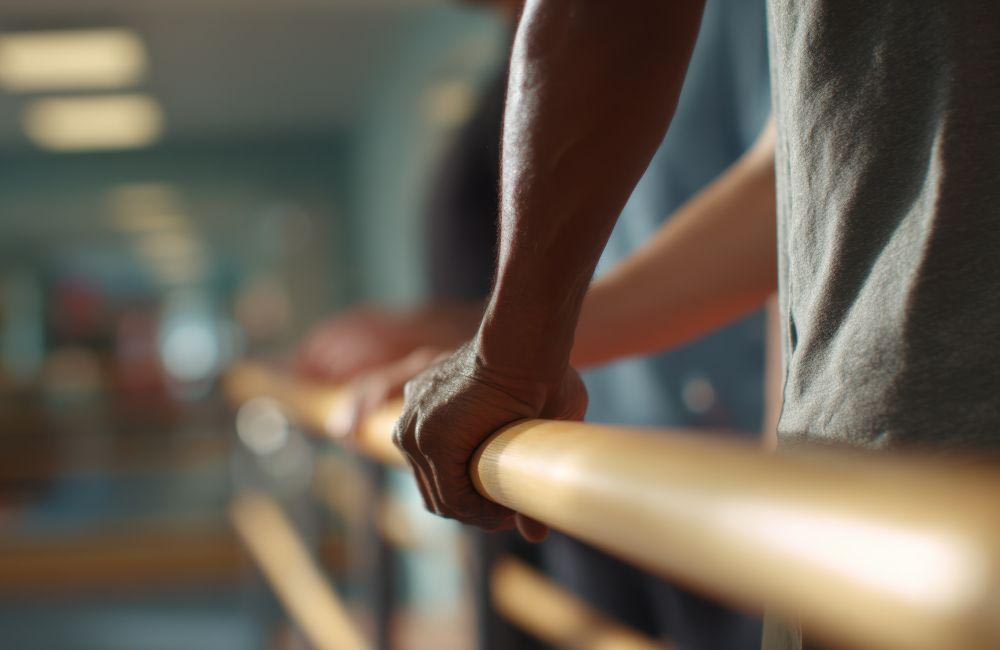
hands on bar

Recovery Stories

At Recovery & Beyond, we understand that recovery is rarely straightforward. The right support at the right time can make a meaningful difference to confidence, independence and quality of life.

The stories below are anonymised examples that reflect the different experiences, challenges and support needs people may face on the road to recovery.

No two journeys are the same, but no one should have to navigate recovery alone.

A note on privacy: All stories are anonymised to protect privacy. Every recovery journey is unique and support is tailored to individual needs.

Finding a way forward after trauma

Traumatic brain injury following a shocking incident

A father and son were travelling together when the son was involved in a road traffic collision. While the son thankfully suffered relatively minor physical injuries, the emotional impact on his father was profound.

Having witnessed the traumatic incident, the father experienced a cardiac event at the scene and sustained a traumatic brain injury following a fall.

Recovery was complicated by existing health conditions, creating additional challenges and uncertainty for both him and his family.

With specialist rehabilitation assessments and ongoing support, he was able to access help during an incredibly difficult period and begin rebuilding confidence and independence.

Despite the complexity of his injuries and circumstances, support was put in place to help him focus on recovery and longer-term wellbeing.

Every recovery journey is different. Sometimes the impact of trauma extends beyond the person directly injured.

Rebuilding independence after spinal injury

Support following life-changing injury

Following a serious fall at work, a young trainee roofer sustained a spinal cord injury resulting in permanent wheelchair use.

With no memory of the incident and limited evidence available, the road ahead felt uncertain.

Throughout recovery, specialist support was introduced including physiotherapy, rehabilitation assistance, case management and access to adapted equipment and mobility support.

A suitable wheelchair, driving lessons and an adapted vehicle helped rebuild independence, while community support through specialist organisations created valuable opportunities for connection and confidence.

An adapted single-storey home was also secured to better support day-to-day life and long-term independence.

Today, he continues to move forward with the right environment and support around him.

Recovery beyond what was visible on paper

Life after acquired brain injury

A highly skilled equine vet sustained a traumatic brain injury following a road traffic collision.

Although outwardly recovery appeared positive, the reality was more complex. Ongoing dizziness, double vision and cognitive challenges had a significant impact on everyday life and the ability to return to work.

Through specialist rehabilitation support, including neuro physiotherapy, vestibular treatment and occupational therapy she was able to focus fully on recovery at the right pace.

Practical support also helped remove pressure to return to work before she was ready.

Over time, she was able to rebuild confidence and transition into a new role, becoming a CEO within the third sector.

Recovery does not always mean returning to life exactly as it was before โ€” it can also mean finding a new path forward.

Supporting recovery for the whole family

Life after spinal injury later in life

Following a road traffic collision, an older gentleman sustained an incomplete spinal cord injury alongside multiple serious orthopaedic injuries.

Before the incident, he had lived a full and active life, spending time with family, enjoying holidays and helping care for grandchildren.

Returning home after rehabilitation brought new challenges. His property and surroundings were no longer suited to his changing needs, and both he and his wife were struggling emotionally after the trauma.

Specialist support helped put practical measures in place, including home adaptations, mobility support, physiotherapy and occupational therapy, alongside emotional support for both husband and wife.

Although recovery was complicated by setbacks, the right support helped restore confidence, independence and quality of life.

No one should have to navigate recovery alone.

If any of these experiences feel familiar, please get in touch.

Get in Touch